Rehabilitation physiotherapy and return to sport
Rehabilitation supports the recovery of function and the improvement of quality of life after an injury, surgery, illness or chronic condition, with personalized treatment plans that may involve several disciplines, such as physiotherapy, occupational therapy, speech therapy and psychology.
Rehabilitation physiotherapy services
Recovery from injuries and sports trauma, with targeted treatments for muscles, joints and tendons.
For joint pain and inflammation, aimed at improving mobility and reducing pain.
To improve posture and ease muscle tension.
Recovery of cardiovascular health after cardiac events or surgery.
Improving respiratory health for people with chronic lung conditions (COPD, asthma, fibrosis).
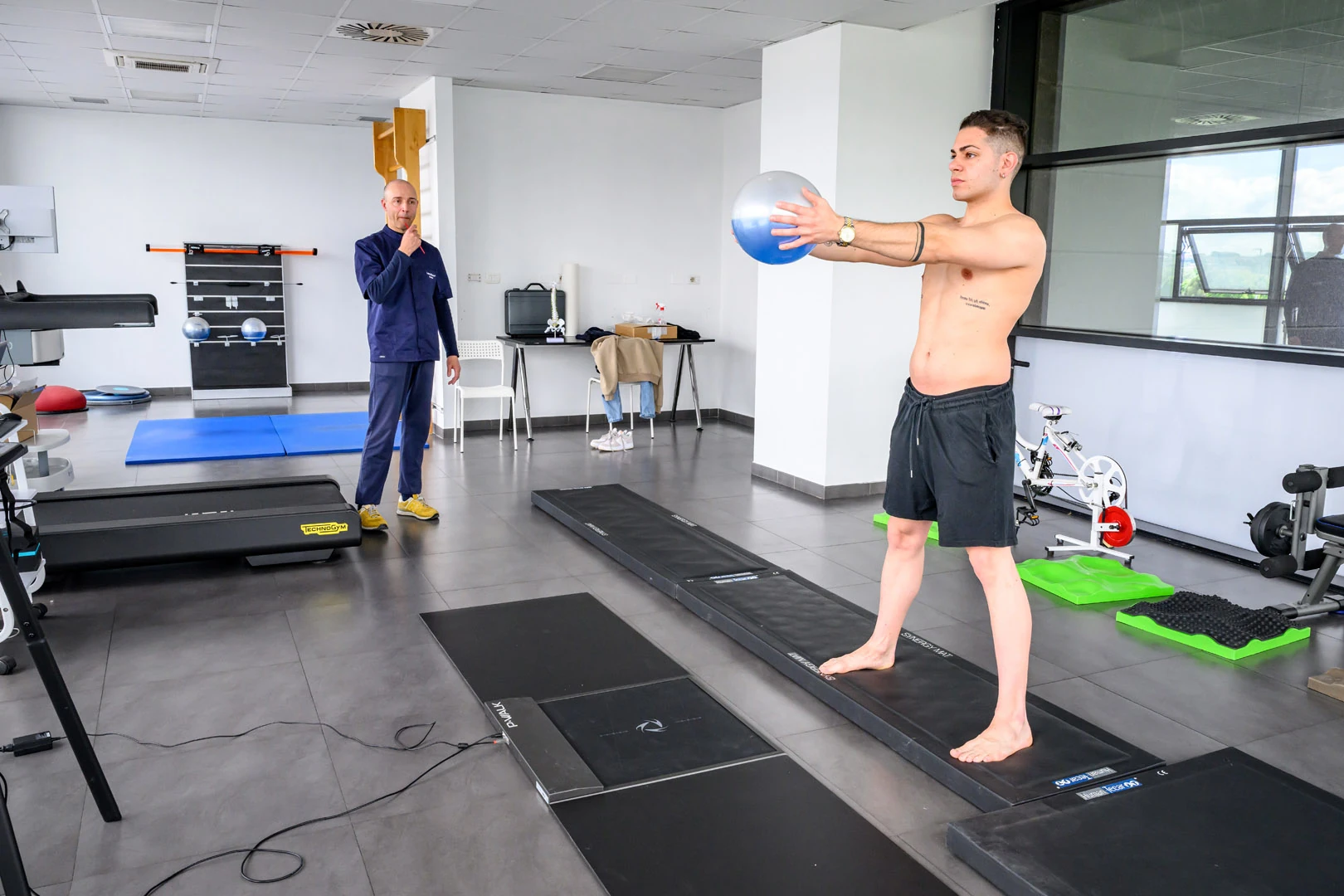
Postural re-education
It corrects postural imbalances caused by poor habits, injuries or medical conditions, reducing muscle pain and helping to prevent long-term musculoskeletal problems. Postural re-education exercises include muscle relaxation and strengthening, stretching and breathing techniques for a correct, relaxed posture. It is recommended for people with chronic back, neck, shoulder or leg pain, muscle tension, joint stiffness or difficulty maintaining a correct posture during daily activities.
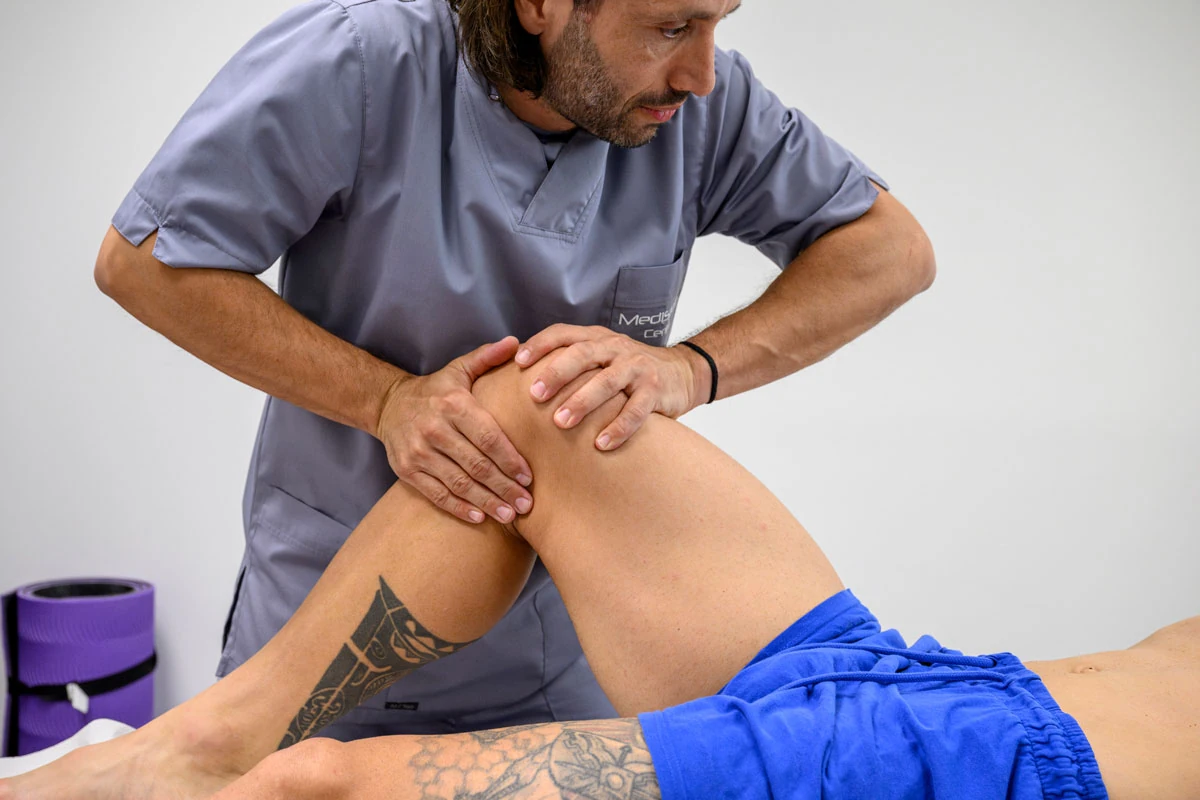
Post-injury sports rehabilitation
After a sports injury, returning to full fitness requires a specific rehabilitation program to regain strength, balance and endurance. Each program is designed around the athlete's sport and individual goals, with the aim of restoring fluid movement and reducing the risk of further injury.
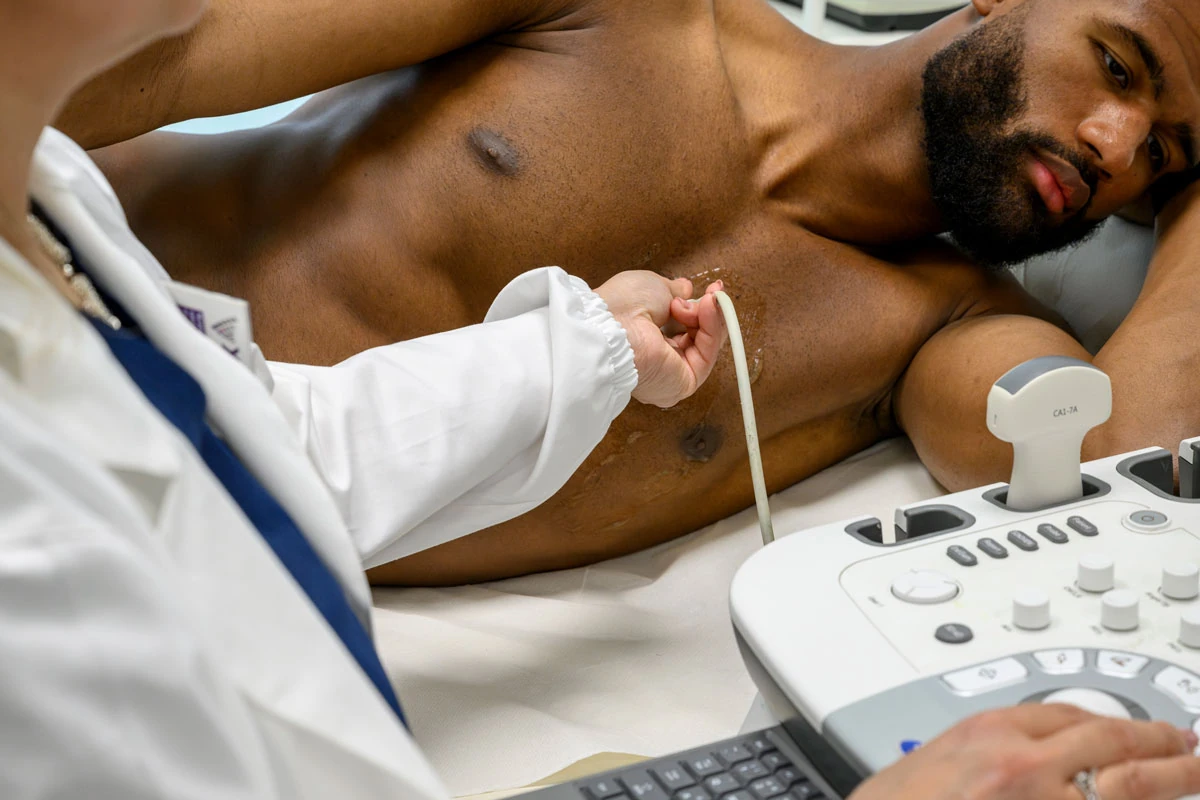
Cardiac rehabilitation
Cardiac rehabilitation is a treatment plan designed for people who have experienced cardiac events or undergone heart surgery, supporting physical and mental recovery and reducing the risk of recurrence and future hospitalisation. To support the best possible cardiovascular recovery, it starts with an initial assessment followed by a personalized treatment plan and supervised physical exercise, including education and awareness of cardiovascular risk factors, with ongoing monitoring and support for the patient.
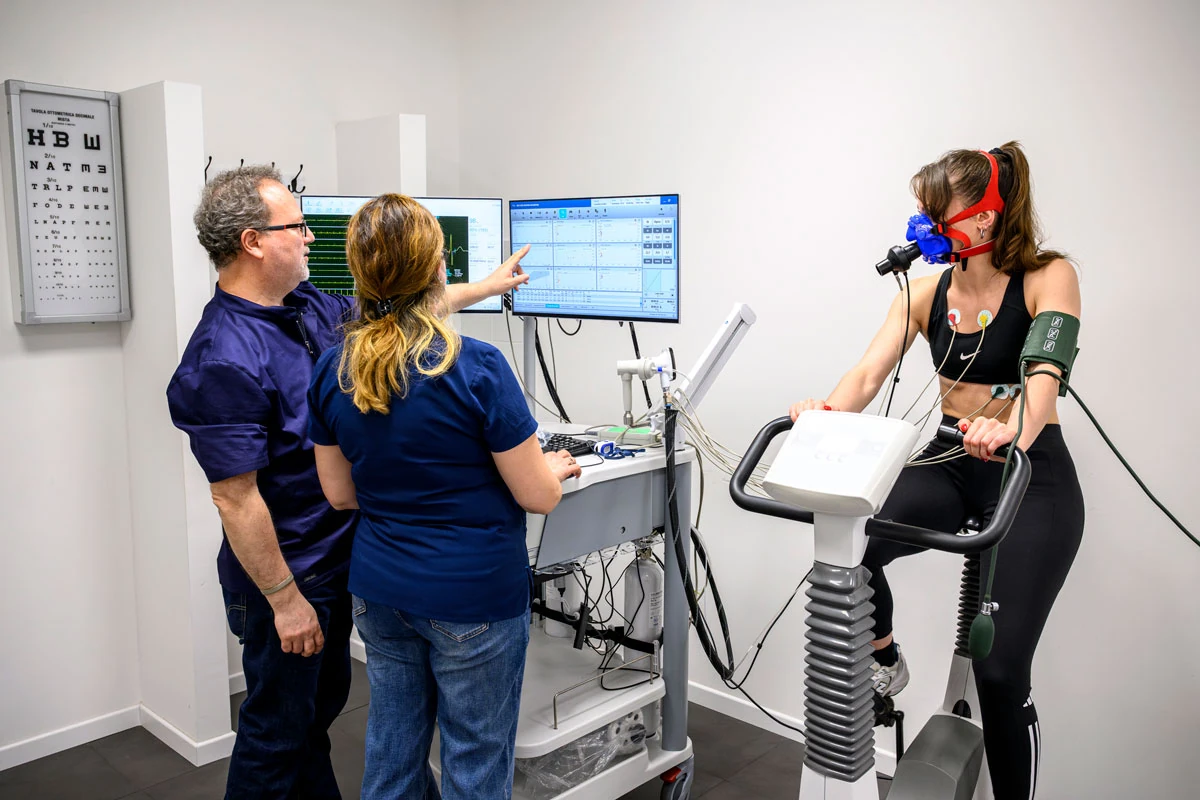
Pulmonary rehabilitation
Pulmonary rehabilitation is an advanced, multidisciplinary therapeutic program designed to improve the functional capacity of patients with chronic lung diseases, such as COPD (Chronic Obstructive Pulmonary Disease), pulmonary fibrosis and severe asthma, which can significantly reduce quality of life, causing dyspnoea (shortness of breath), fatigue and limited movement. It helps patients improve respiratory function and prevent exacerbations through a range of therapeutic interventions: aerobic training (walking, cycling, swimming), breathing exercises, techniques such as pursed-lip breathing to manage shortness of breath, correct inhaler use, nutritional and psychological support, and bronchial clearance techniques.
Pelvic floor rehabilitation
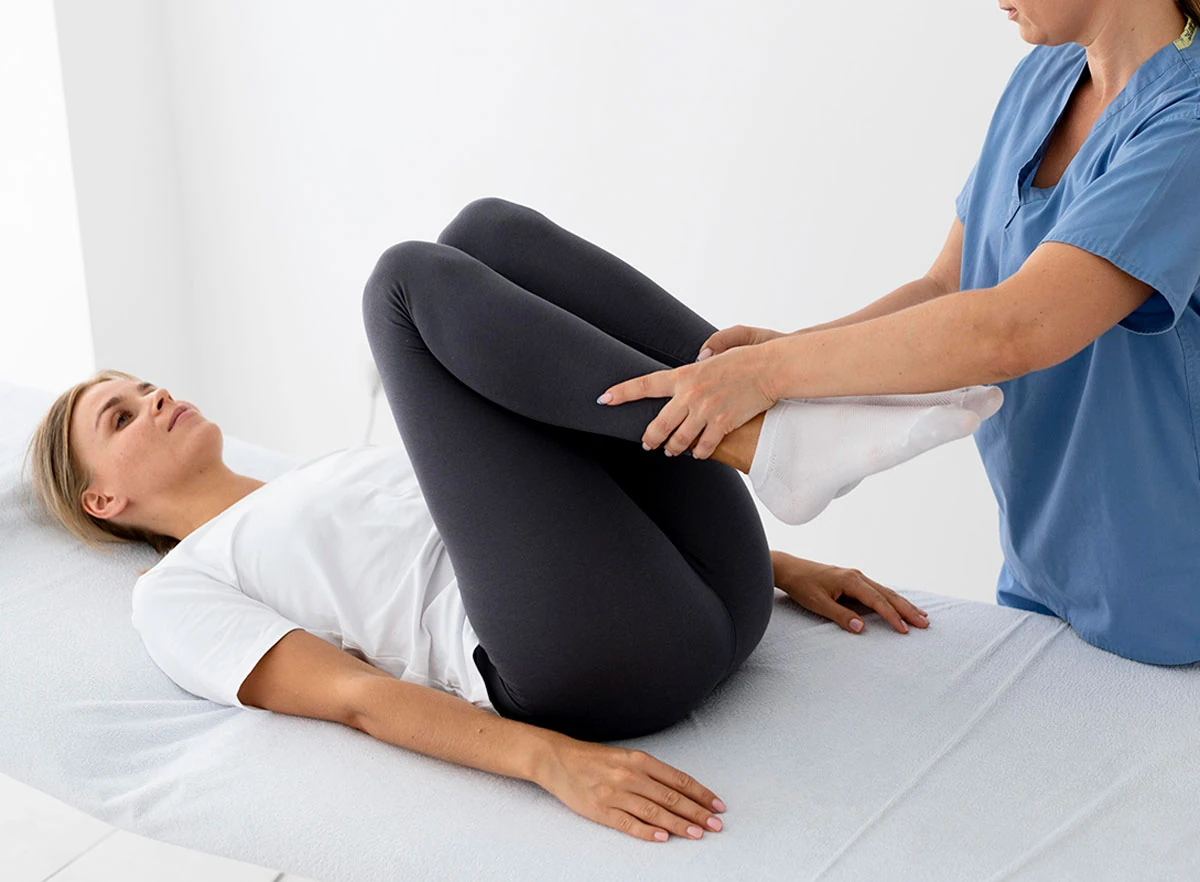
The pelvic floor is a group of muscles, ligaments and connective tissues that support organs such as the bladder, the uterus (in women), the prostate (in men) and the rectum. When these muscles weaken or become dysfunctional, problems can arise such as incontinence, pelvic organ prolapse, sexual dysfunction, chronic pelvic pain, recurrent infections and abdominal diastasis. The causes can be many: pregnancy and childbirth, menopause, surgery, obesity, chronic constipation, high-impact sports and ageing. Rehabilitation includes muscle-strengthening exercises (Kegel, biofeedback, electrostimulation), perineal massage, muscle relaxation, functional re-education and dietary adjustments.
Book an appointment with our specialists
Our physiotherapists provide thorough, personalized rehabilitation programs, supporting the patient through every stage of recovery.